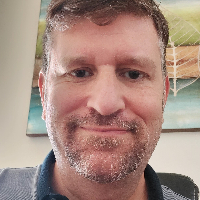
- 20 years experience
- Focus on addiction
- Practical tools
About Mark
Mark draws on his long experience in substance abuse recovery to guide people through addiction-related struggles and related family and communication issues. He also helps people facing depression, anxiety, bipolar mood shifts, and grief. He pays attention to how life changes, career stress, and questions of self-worth affect daily relationships.
In sessions he leans toward client-centered work, meeting each person where they are and following their pace. He also uses cognitive behavioral ideas to spot unhelpful thinking patterns and solution-focused techniques to set small, concrete goals. Motivational interviewing and mindfulness practices are tools he brings in to support change and calm.
Mark aims to build trust early so conversations can get real without feeling overwhelming. He keeps language plain and practical, focusing on steps people can try between meetings. Many people find his direct but compassionate style helpful when tackling hard topics.
He practices in Florida and speaks English. People who are considering therapy start by answering a brief matching questionnaire and then schedule sessions based on availability.
How these approaches work for online therapy
Client-centered therapy focuses on the person in front of the therapist. The therapist listens closely, follows the person’s lead, and helps them find their own solutions. This approach is useful for relationship concerns, identity questions, and building trust when someone is unsure about therapy.Cognitive Behavioral Therapy, or CBT, looks at patterns of thought and behavior that keep problems going. It breaks things into manageable steps and gives doable homework between sessions. This is often helpful for anxiety, depression, and coping with life changes.
Finding the right approach is a team effort. The therapist will talk with the person about their goals, preferences, and what feels most useful. Together they try methods, adjust as needed, and focus on practical steps that fit the person’s life.
Session logistics should be confirmed before booking because the biography does not list specific formats. Online therapy can make scheduling easier and help sessions fit around work, school, or family tasks. It can also allow shorter check-ins when time is tight or reduce the need to travel to appointments. Ask about formats and scheduling when you complete the matching questionnaire so arrangements match your needs.
Frequently asked questions
What kinds of problems does he help with?
Mark works with stress, anxiety, depression, addictions, relationship and intimacy concerns, grief, bipolar mood challenges, ADHD, and related issues like communication and family of origin problems.
What is his general therapy style?
He uses a warm, client-centered style that builds rapport and trust. He also brings cognitive behavioral ideas, solution-focused tools, motivational interviewing, and mindfulness practices when they fit the person's needs.
How much experience does he have?
He has over 20 years of experience working in counseling settings, including substantial work with substance abuse and LGBT concerns.
What credentials and region apply?
He is a licensed mental health counselor - LMHC - practicing in Florida.
Can I work with him if I live outside the United States?
International clients are accepted. Sessions are conducted in English.
Which session formats are offered?
The original biography does not specify session formats; please confirm current session options before booking so you know which formats are available.
How much do sessions cost?
Cost varies with location and therapist availability; sessions use a subscription that can be canceled at any time.
How do I begin therapy with him?
Click the continue button on this profile, complete a short matching questionnaire, and schedule sessions according to the therapist's availability.