- Addiction support
- Trauma processing
- Mindful strategies
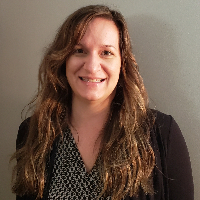
About Leslie
She brings a practical, person-focused style to sessions. Leslie views hard experiences through an existential lens - meaning is often found after pain - and combines that with client-centered listening. She sets brief, solution-focused goals and helps people break bigger problems into manageable steps.
Leslie has spent much of her career supporting people affected by addictions and co-occurring disorders. She also works with those coping with grief, anger, career stress, compassion fatigue, and domestic violence impacts. Her background includes helping people process trauma from physical, emotional, or verbal abuse and other distressing events.
In sessions she may use elements of Cognitive Behavioral Therapy to spot patterns and shift unhelpful thinking, Eye Movement Desensitization and Reprocessing for trauma processing, and mindfulness practices to reduce stress. Motivational Interviewing is part of her approach when clients are ready to change behavior related to substance use.
Leslie encourages honesty about hard feelings and normalizes strong emotions that arise during change. She focuses on practical steps and on building insight that supports longer-term growth. If someone wants help sorting through what holds them back, she offers collaborative support to work toward those goals.
How Leslie's approaches translate to online therapy
Leslie uses a mix of client-centered work, Cognitive Behavioral Therapy, and EMDR in her practice. Client-centered work focuses on listening and responding to each person's priorities so sessions follow what matters to them. Cognitive Behavioral Therapy looks at thoughts and behaviors to find small, practical changes that reduce anxiety, depression, or stress. Eye Movement Desensitization and Reprocessing (EMDR) is a structured method used to process traumatic memories and reduce their hold on daily life.Finding the right approach is part of the work. Leslie collaborates with each person to decide which methods feel most useful based on their needs and goals. She encourages trial and reflection so techniques can be adjusted over time to fit what actually helps.
The practical benefits of online therapy include fitting sessions into a busy schedule and keeping momentum between meetings. Because the original profile does not list which session formats are offered, please confirm current options before booking. Online work can make it easier to maintain regular check-ins, use brief sessions when time is tight, or avoid travel time so therapy fits into everyday routines.
Frequently asked questions
What concerns does this therapist help with?
Leslie works with people facing addictions, trauma and abuse, anxiety, depression, bipolar disorder, ADHD, grief, anger, and relationship and family stress.
What is Leslie's approach in sessions?
She blends an existential outlook with a client-centered style and brief solution-focused goals, using practical techniques to help people move forward.
How much clinical experience does she have?
Leslie has ten years of experience, including substantial work as a substance abuse counselor and with co-occurring disorders.
What credentials and region are listed for this therapist?
She holds the LCMHC credential and practices in North Carolina.
Which languages are supported and are international clients served?
Sessions are offered in English. International clients are not currently accepted.
What session formats are available?
The original profile does not specify session formats; please confirm current session options before booking.
How does payment and cost work?
Cost varies with location and therapist availability and sessions use a subscription that can be canceled at any time.
How do I begin working with this therapist?
Select the continue button on this profile, complete a short matching questionnaire, and schedule according to therapist availability.