- Body-centered work
- Focus on patterns
- Direct and compassionate
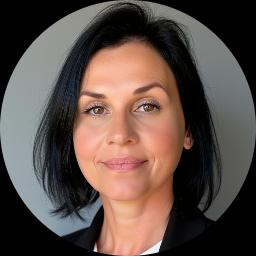
About Katarzyna
She has 26 years of clinical experience and holds a Licensed Mental Health Counselor credential, LMHC. Much of her work focuses on compulsive sexual behaviors and sexual addiction as well as betrayal trauma. She integrates body-centered techniques because trauma often shows up in the body as much as the mind.
In sessions she looks beyond surface symptoms to find the deeper story behind patterns. That can mean tracking how the body reacts, naming repetitive choices, and working through the meaning of painful events like betrayal. The goal is to move out of survival mode and toward more steady, intentional living.
She also supports people facing anxiety, depression, grief, parenting strain, career stress, ADHD, relationship concerns, and substance or process addictions. She pays attention to dissociation, infidelity, and intimacy-related issues when they are part of a person's struggle.
If someone wants to change longstanding patterns, she offers practical guidance and emotional support. She invites clients to learn how their histories shape present choices and to practice new ways of responding. The work is collaborative and paced to fit individual needs.
How evidence-based techniques work online
Somatic-informed therapy focuses on how the body holds stress and trauma. It uses breath work, movement awareness, and attention to physical sensations to help someone calm intense reactions and reconnect with their body. This can help with trauma symptoms, dissociation, and overwhelming emotions.Therapy for compulsive sexual behaviors and betrayal trauma typically combines careful pattern work with practical strategies. Pattern work looks at repeated choices and the feelings that lead to them, while practical strategies help people interrupt those cycles and rebuild trust in themselves and their decisions.
Finding the right approach is a collaborative process. The therapist will work with each person to figure out which methods fit their needs, goals, and preferences. Together they review progress and adjust techniques as needed so the work stays useful and manageable.
The biography does not list specific online session formats, so confirm current options before booking. In general, online therapy can make it easier to fit sessions into a busy life, allow shorter check-ins when needed, and reduce travel time. It also makes it possible to work with licensed professionals across state or national lines when international arrangements are supported.
Frequently asked questions
What kinds of problems does this therapist address?
She helps with stress, anxiety, depression, addictions, trauma and abuse, relationship and intimacy-related issues, grief, parenting challenges, career concerns, ADHD, bipolar concerns, and coping with life changes.
What is the general approach in sessions?
The approach is grounded and direct with a compassionate tone. Sessions often include exploration of patterns and body-focused techniques to help process trauma and emotional overwhelm.
How much experience does this clinician have?
This therapist brings 26 years of clinical experience to her practice, working with people through addiction recovery, betrayal trauma, dissociation, and long-standing behavioral patterns.
What credentials and location are listed?
She holds the credential LMHC, listed as a Florida LMHC, and is based in Florida.
Are sessions offered in languages other than English?
Sessions are offered in English and international clients are accepted.
Which session formats are available?
The original biography does not specify session formats. Please confirm current session options before booking to ensure they meet your needs.
How are fees and payment organized?
Cost varies with location and therapist availability, and sessions use a subscription that can be canceled at any time.
What steps should I take to begin working together?
Click the continue button on this profile, complete a short matching questionnaire, and schedule according to therapist availability.