- Practical coping strategies
- Trauma-informed focus
- Goal-oriented planning
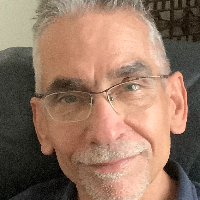
About Joseph
Before shifting to independent practice he spent over twenty years working with the Department of Veterans Affairs in readjustment and vocational rehabilitation. He also served as a Sexual Assault Response Coordinator in the U.S. Air Force and completed a 23-year military career as a medical evacuation pilot with overseas assignments in Afghanistan, Korea, Okinawa, and Turkey. That background shaped his practical outlook on coping and recovery.
In sessions he prioritizes building a strong working relationship first. Conversations are goal-oriented and grounded in what people want to change. He mixes supportive listening with tools clients can use between meetings to reduce stress, improve sleep, and manage moods.
Joseph uses several familiar methods, including client-centered approaches, cognitive behavioral techniques, solution-focused strategies, and trauma-focused work. He helps people address issues such as anxiety, depression, grief, addictions, and workplace stress while factoring in life purpose and caregiver strain.
People often come for help after a big life change, a loss, or when stress feels unmanageable. He invites clients to create a clear plan together and to try practical steps that fit their day-to-day life.
How Joseph’s Approaches Translate to Online Work
Client-Centered Therapy centers sessions on the person rather than a strict technique. It emphasizes listening, empathy, and shaping goals together, which can help when someone needs clearer direction or emotional support. Cognitive Behavioral Therapy, or CBT, focuses on identifying unhelpful thinking and behavior patterns and testing small changes to reduce symptoms like anxiety and depression.Finding the right approach is part of the process. Joseph aims to figure out what fits each person through an initial conversation and ongoing collaboration. He will work with each client to choose methods that match their goals, pace, and comfort level rather than imposing a single plan.
Session formats are not listed in the biography, so confirm current options before booking. That said, online therapy can make it easier to fit meetings into a busy schedule, shorten check-ins when time is tight, and use tools and worksheets between sessions. These practical benefits help people keep momentum while addressing trauma, stress, sleep problems, or relationship concerns.
Frequently asked questions
What concerns does Joseph commonly help with?
He works with stress, anxiety, depression, trauma and abuse, grief, relationship and family issues, sleep problems, addictions, anger, bipolar concerns, and career or workplace stress.
What is his general approach to therapy?
He focuses on building a working relationship first, then uses goal-focused conversations and practical tools to help clients change daily patterns and reactions.
How much clinical experience does he have?
He has 20 years of professional experience, including long-term roles with the Department of Veterans Affairs and military service that informed his clinical outlook.
Which credentials and region are listed for this therapist?
Credentials shown are LPC-MHSP and LMHC. He is based in Florida.
In what languages are sessions offered?
Sessions are offered in English.
What session formats are available?
Session formats are not specified here; please confirm current session options before booking.
How is cost handled for sessions?
Cost varies with location and therapist availability; sessions use a subscription that can be canceled at any time.
How do I begin working with him?
Use the continue button on this profile, complete a short matching questionnaire, and schedule according to therapist availability.