- Evidence-based techniques
- Direct coping skills
- Nonjudgmental support
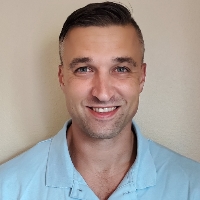
About John
Across an 11-year career, he has spent much time providing psychotherapy and substance-abuse work with active duty service members and the people close to them. That background shaped his focus on practical problem solving and strategies that reduce day-to-day distress. He aims to offer straightforward, nonjudgmental care and a calm, friendly space for people to talk.
In sessions he draws on evidence-based therapeutic techniques to address traumatic memories, unhelpful thought patterns, and relationship tensions. He uses therapies that focus on changing thinking habits, processing traumatic events, and improving how people relate to others. He describes his approach as kind, honest, and collaborative.
People can expect direct tools for coping with panic, mood dips, and strong emotions. He often works on concrete skills for sleep, impulse control, and managing cravings, plus communication and problem-solving tactics for relationship stress. Progress is paced to the person’s goals and comfort.
He welcomes conversations about goals and next steps and encourages prospective clients to share what matters most to them at the start of care.
How evidence-based techniques work online
John uses evidence-based therapeutic techniques that focus on changing thinking patterns and processing difficult experiences. Cognitive approaches help people identify and shift unhelpful thoughts and behaviors, which can reduce anxiety and depressive symptoms and improve daily functioning. Cognitive processing or trauma-focused methods help people work through traumatic memories and lessen the hold those memories can have on current life.He also uses therapies that concentrate on practical problem solving and interpersonal patterns. Problem-solving work breaks challenges into manageable steps so people can try specific actions between sessions. Interpersonal-focused work looks at how someone connects with others and builds clearer communication and boundaries.
Finding the right approach is a collaborative process. The therapist will discuss options, consider your goals and preferences, and adapt techniques over time. Together you decide what feels most useful and adjust the plan as progress is made.
Session formats are not specified in the biography, so confirm current options before booking. Online therapy can make it easier to fit sessions into a busy life, reduce travel time, and allow shorter check-ins when needed. It also gives flexibility for people balancing work, caregiving, or irregular schedules while they work on coping skills and relationship concerns.
Frequently asked questions
What kinds of concerns does he address?
He works with stress, anxiety, depression, addictions, trauma and abuse, parenting strain, relationship and family concerns, grief, intimacy questions, sleep and eating problems, anger, self-esteem issues, career changes, bipolar issues, coping with life transitions, and ADHD.
What is his therapeutic style like?
He offers a kind, honest, and nonjudgmental approach. Sessions focus on practical tools, clear goals, and collaborative problem solving.
How long has he been practicing?
He has 11 years of clinical experience, including substantial work with active duty service members and their families in areas such as family advocacy, substance abuse, and psychotherapy.
What credentials does he hold and where is he located?
He holds an LCSW-C license in Maryland and practices there.
Which languages are supported for sessions?
Sessions are offered in English.
Can people outside the U.S. work with him?
He is not currently accepting international clients.
How are costs handled for sessions?
Cost varies with location and therapist availability; sessions use a subscription that can be canceled at any time.
What are the first steps to begin therapy?
Select the continue button on this profile, complete the short matching questionnaire, and schedule according to the therapist's availability.