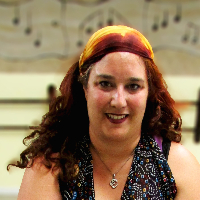
- Resilience and self-leadership
- Trauma and recovery
- Practical coping skills
About Jenenne
She has 12 years of experience working with complex trauma and related concerns such as co-occurring eating and process addictions. Her focus includes grief, mood concerns like depression and bipolar, relationship and intimacy-related issues, parenting strain, career stress, and challenges linked to ADHD and caregiving.
Her approach blends several methods to match each person’s needs rather than using a single formula. She draws from Acceptance and Commitment Therapy, Cognitive Behavioral Therapy, Dialectical Behavior Therapy, Attachment-Based Therapy, and client-centered methods to shape conversations and practical goals.
Sessions center on practical skills, self-understanding, and building habits that support recovery and growth. She describes the work as interactive and integrative, with attention to early-childhood and attachment wounds, body-related concerns, and how trauma shows up in daily life.
Dr. Valentino-Bottaro holds LMHC and LCMHC credentials and practices in Florida. She aims to help people find clearer direction, reduce overwhelm, and reclaim a stronger sense of agency in their lives.
Therapeutic approaches and online access
Acceptance and Commitment Therapy (ACT) focuses on helping people notice what matters most to them and take committed action toward those values while learning to live with difficult thoughts and feelings. Attachment-Based Therapy looks at early relationship patterns and how they shape current connections, helping people repair and strengthen how they relate to others. Client-Centered Therapy emphasizes a respectful, empathetic space where the person leads the pace and topics of work and the therapist listens and reflects.Finding the right approach is part of the work. The therapist will collaborate with each person to choose methods that match their goals, needs, and preferences. That means trying strategies, checking what helps, and adjusting the plan together as progress is made.
The original profile does not list which online session formats are used, so confirm available options before booking. Online therapy can make it easier to fit sessions into a busy life, shorten travel time, and allow flexible scheduling around work or caregiving. It also lets people use different skill-building exercises and check-ins between sessions to keep momentum going.
Frequently asked questions
What kinds of concerns can I bring to therapy?
She works with trauma and abuse, grief, eating and food-related issues, addictions, anxiety, depression, bipolar concerns, ADHD, relationship and intimacy-related issues, and many related life stresses.
How would you describe the therapy style and approach?
Her style is warm and interactive. She uses an integrative approach combining ACT, CBT, DBT, attachment-based ideas, and client-centered work to fit each person’s needs.
What background and experience does the therapist have?
She has 12 years of clinical experience focused on complex trauma, early childhood development trauma, eating disorders, and co-occurring process addictions and recovery.
What are the listed credentials and where is the practice located?
She holds LMHC and LCMHC credentials and practices in Florida.
Are sessions available in other languages or internationally?
Sessions are offered in English. International clients are not currently accepted.
What session formats are offered?
The original profile does not specify session formats; please confirm current session options before booking.
How much do sessions cost?
Cost varies with location and therapist availability; sessions use a subscription that can be canceled at any time.
How do I begin working with this therapist?
Select the continue button on this profile, complete a short matching questionnaire, and schedule according to the therapist’s availability.