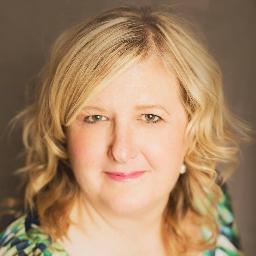
- Compassionate listener
- Trauma-informed care
- Skill-based strategies
About Jarretta
She brings ten years of professional experience to sessions and uses practical, down-to-earth language. Sessions focus on clear steps people can take between meetings and on building skills for handling intense emotions and everyday challenges. Jarretta encourages people to name what matters to them and to try small changes that add up.
Her work includes attention to attachment and abandonment concerns, communication problems, guilt and shame, and feelings of isolation or loneliness. She also supports people facing panic attacks, post-traumatic stress, questions about life purpose, and issues tied to women’s lives. EMDR and trauma-focused approaches are part of her toolbox when trauma is central to someone’s story.
Jarretta uses client-centered methods and cognitive behavioral techniques alongside mindfulness practices to help people notice thoughts and test new behaviors. She matches interventions to the problem at hand rather than using one fixed approach. The goal is practical progress that fits a person’s daily life.
She practices in Florida as an LCSW and holds CSW credentials. Sessions are offered in English and are structured to help people move toward clearer communication and greater self-understanding.
How therapeutic approaches shape online care
Client-Centered Therapy emphasizes listening and following the person’s lead. The therapist focuses on understanding each person’s experience and helping them set their own goals. Cognitive Behavioral Therapy, or CBT, looks at the links between thoughts, feelings, and behaviors and teaches practical strategies to change unhelpful patterns.These approaches are often combined with trauma-focused work when past events are affecting present life. Trauma-focused methods aim to reduce the hold of painful memories and teach skills for managing strong reactions. Together, these approaches can help with anxiety, relationship strain, panic, and post-traumatic stress symptoms.
Finding the right approach is a collaborative process. The therapist will talk with the person about their needs, goals, and preferences and suggest which methods to try first. Plans are adjusted over time based on what helps most.
Confirm current session options before booking so you know how sessions are delivered. Online therapy can make it easier to fit sessions into a busy week, shorten commute time, and allow brief check-ins when needed. Many people find remote sessions help them stay consistent with their work between meetings while working toward clearer communication and better emotional coping.
Frequently asked questions
What kinds of concerns are addressed in sessions?
She helps with stress, anxiety, relationship issues, trauma and abuse, depression, and coping with life changes. Additional focus areas include attachment, communication problems, shame, and loneliness.
What is her general approach in therapy?
Therapy combines client-centered conversation with cognitive behavioral and mindfulness techniques. The work is practical and aimed at building skills that fit everyday life.
How much clinical experience does she have?
She has ten years of professional experience working with people on stress, trauma, and relationship concerns. That background informs how she structures sessions and treatment plans.
What credentials and where does she practice?
She holds LCSW and CSW credentials and practices in Florida. The profile lists FL LCSW and GA LCSW as credential details.
Which languages are supported for sessions?
Sessions are offered in English.
Can people from other countries work with her?
She does not accept international clients at this time.
How are sessions priced and billed?
Cost varies with location and therapist availability. Sessions use a subscription that can be canceled at any time.
What are the first steps to start therapy?
Select the continue button on this profile, complete a short matching questionnaire, and then schedule according to the therapist’s availability.