- Relationship focus
- Practical tools
- Trauma informed
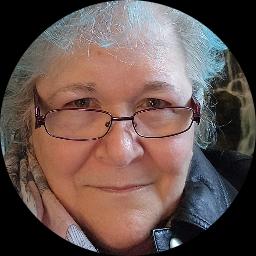
About Jane
She approaches work in a straightforward, practical way. Sessions often include talking through patterns, doing therapeutic writing, and learning skills to manage strong emotions. Jane aims to help a person find their voice and build confidence in relationships and daily life.
Her background spans 12 years of professional work in clinical settings, alongside many more years of lived experience. That blend of experience informs how she thinks about trauma, substance use, mood disorders, and co-occurring concerns. She brings attention to attachment and family of origin issues when those patterns matter.
Jane uses a mix of methods to address deep-rooted behavior and emotional reactions. That can include narrative work such as journaling, psychodynamic ideas about old patterns, and somatic awareness to notice how the body holds stress. She works with a person to choose what fits their needs and goals.
People who come to her typically learn practical tools for managing panic, cravings, flashbacks, and intense mood swings. The work is gradual and focused on real-life change. Jane supports a steady, person-centered path toward clearer communication, healthier boundaries, and greater self-acceptance.
How her approaches translate to online work
Mindfulness Therapy helps people notice their thoughts and bodily sensations without judgment. It can reduce reactivity to stress and make it easier to respond rather than react to relationship triggers. Narrative Therapy uses writing and storytelling to separate a person from the problem and rewrite stories that keep them stuck; it can be useful for processing trauma, shame, or identity issues.Finding the right approach is a collaborative process. The therapist will talk with the client about goals, past attempts, and preferences, then try methods that match those needs. Adjustments are made over time if something does not feel helpful.
Confirm current session options before booking because the biography does not list specific formats. Online work can make it easier to fit sessions into a busy life - for example, reducing travel time, allowing a shorter check-in during a lunch break, or avoiding the need to be on camera if that helps someone engage. Licensed professionals often use similar methods online to address anxiety, trauma, addiction patterns, and relationship difficulties while focusing on skills that transfer to everyday situations.
Frequently asked questions
What concerns does she address?
She supports people with stress, anxiety, addictions, trauma and abuse, grief, depression, anger, intimacy-related issues, relationship concerns, and related mood conditions.
What is her therapeutic style like?
Her style is practical and direct, using conversation, journaling, and body-focused awareness to help people notice patterns and try new behaviors.
How much clinical experience does she have?
She has 12 years of professional clinical experience combined with many additional years of lived experience that inform her work.
What credentials and region apply?
She holds the LCMHC credential and practices in North Carolina.
Which languages are sessions offered in?
Sessions are offered in English only and international clients are not currently accepted.
What session formats are available?
Confirm current session options before booking, as the biography does not list specific formats.
How does pricing work?
Cost varies with location and therapist availability; sessions use a subscription that can be canceled at any time.
How do I begin working with her?
Use the continue button on this profile, complete a short matching questionnaire, and schedule according to therapist availability.