- Practical coping strategies
- Relationship-focused work
- Mindfulness and solution tools
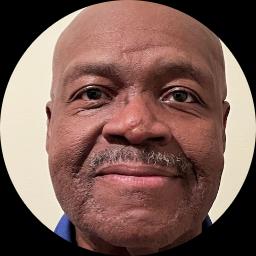
About James
He began his career in a group home for emotionally disturbed youth and later served as a school counselor and a district-level director of counseling services. Those roles gave him day-to-day experience with behavioral issues, family dynamics, and systems that affect children and adults. Over 19 years as a licensed counselor, he has worked with people facing trauma, abuse, compassion fatigue, and mood disorders.
In sessions he focuses on clear goals and practical strategies. He draws from Client-Centered Therapy to create a collaborative space. He also uses Emotionally-Focused ideas to address attachment and relationship patterns, plus Mindfulness and Solution-Focused tools for coping and day-to-day change.
Dr. Hunter emphasizes listening first, then helping clients try small, doable steps. He supports people processing abandonment, adoption and foster care issues, blended family concerns, and midlife or career transitions. He also addresses forgiveness, life purpose, and men’s issues when those topics come up.
He works from North Carolina and conducts sessions in English. International clients are accepted, and prospective clients are asked to confirm current session options before booking.
How his approaches translate to online therapy
Client-Centered Therapy focuses on listening and building a respectful relationship. In practice this means the therapist follows the client's lead, reflects concerns back, and helps people clarify what they want to change. This work can help with self-esteem, life purpose, and coping with transitions.Emotionally-Focused Therapy targets patterns in close relationships and attachment. It helps people notice interaction cycles, name emotions, and try new ways of connecting. This approach can be useful for relationship-related stress, attachment issues, and communication problems.
Finding the right approach is part of the work. The therapist will ask about needs, goals, and what feels most helpful, then recommend strategies drawn from these methods. Clients and the therapist decide together which tools to try and adjust them over time.
For practical matters, confirm the current session options before booking since formats are not specified in the biography. Online sessions can make it easier to fit therapy into a busy schedule, allow shorter check-ins when needed, and reduce travel time. They can also let someone attend from a quieter setting or use phone-only sessions when video is difficult. Ask about options when you match with the therapist to find what fits your routine and needs.
Frequently asked questions
What concerns does he address?
He helps with stress, anxiety, depression, relationship and family concerns, trauma and abuse, grief, parenting, ADHD, and career or life transitions.
What is his therapeutic style like?
His style is practical and collaborative, focused on listening, clear goals, and small actionable steps drawn from client-centered, emotionally-focused, mindfulness, and solution-oriented approaches.
How much experience does he have?
He has 19 years of experience as a Licensed Clinical Mental Health Counselor, with earlier work in group homes and school counseling leadership roles.
Where is he based and what are his credentials?
He is based in North Carolina and holds the credential LCMHC, specifically an NC LCMHC.
Which languages are supported for sessions?
Sessions are offered in English, and he does accept international clients.
What session formats are available?
Please confirm current session options before booking, as the biography does not list specific session formats.
How is cost handled?
Cost varies with location and therapist availability, and sessions use a subscription that can be canceled at any time.
How do I begin therapy with him?
Select the continue button on this profile, complete a short matching questionnaire, and schedule according to therapist availability.