- Attachment-based approaches
- CBT and DBT tools
- EMDR for trauma
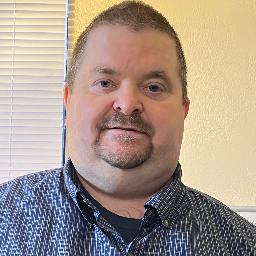
About James
James trained at Florida International University and has worked across school, community, and military settings since the early 2000s. Early in his career he provided individual and group support in Miami-Dade schools. He later worked with people diagnosed with serious mental illness, including bipolar disorder and major depression.
Beginning in 2007 he worked with active duty military and focused on marital concerns, anxiety, PTSD, domestic violence issues, and problems that come from growing up in dysfunctional family systems. That experience led him to develop practical skills for addressing addictions, eating disorders, and communication problems.
In sessions he uses a blend of methods to match each person’s needs. His approach pulls from attachment-based ideas, cognitive behavioral tools, dialectical behavior strategies, EMDR, and client-centered listening. He aims to help clients make concrete changes they want to see in their lives.
James describes his work as collaborative and goal-oriented. He helps clients name one or two clear targets, learn tools that fit their daily life, and track small changes over time. He speaks English and practices in Florida as an LCSW.
How these approaches translate to online therapy
Attachment-Based Therapy focuses on how early relationships shape current patterns. Online work with this approach involves talking through those patterns and practicing new ways of connecting and communicating. It can help with anxiety around closeness, abandonment fears, and attachment-related worries.Cognitive Behavioral Therapy, or CBT, centers on noticing thought and behavior patterns and trying small experiments to change them. Online CBT sessions often include homework, short exercises, and step-by-step plans to reduce anxious thinking or depressive routines.
Finding the right approach is part of the process. The therapist will collaborate with the client to pick methods that fit the person’s goals, needs, and daily life. That choice can change as work progresses and new priorities emerge.
Session logistics should be confirmed before booking since formats are not listed in the biography. Online therapy can make it easier to fit sessions into work days, reduce commute time, and keep regular check-ins when schedules are busy. It can also allow for shorter focused check-ins when time is limited or phone-based options when bandwidth is low. Ask about the current session options when you schedule.
Frequently asked questions
What kinds of concerns does he help with?
He supports people with stress, anxiety, addictions, trauma and abuse, grief, self esteem, relationship and intimacy-related issues, eating and sleeping problems, parenting and anger, career concerns, bipolar and depression, and coping with life changes.
How would you describe his therapeutic style?
His style is collaborative and practical. He listens closely, helps set clear goals, and teaches tools you can use between sessions.
What kind of experience does he bring?
He has 20 years of clinical experience, including work in schools, with people diagnosed with serious mental illness, and with active duty military beginning in 2007.
What credentials and region are listed?
He is a Licensed Clinical Social Worker, LCSW, licensed in Florida and practices in Florida.
Which languages are supported and are international clients accepted?
Sessions are offered in English. International clients are not currently accepted.
What session formats are offered?
Session formats are not specified in the biography; please confirm current session options with the platform before scheduling.
How is cost handled?
Cost varies with location and therapist availability; sessions use a subscription that can be canceled at any time.
How do I begin working with him?
Use the continue button on this profile, complete a short matching questionnaire, and schedule sessions according to the therapist's availability.