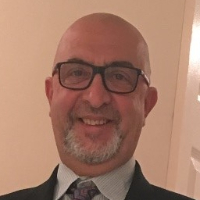
- Collaborative approach
- English and Russian
- 23 years experience
About Igor
He uses a straightforward, supportive style in sessions. Conversations are collaborative and encouraging. He treats therapy as teamwork and focuses on practical steps people can try between meetings.
His background includes work as a psychologist, neuropsychologist, and life coach over 23 years. That mix informs how he approaches mood disorders, traumatic brain injury, and addiction. He draws on what has worked for each person rather than following only one method.
Common approaches he uses are client-centered work, cognitive behavioral techniques, motivational interviewing, and psychodynamic ideas. In practice this means listening to where a person is, helping them spot unhelpful thinking and behavior, and supporting motivation for change.
Sessions typically look like talking through recent problems, setting small goals, and testing new ways of handling stress or relationship patterns. He emphasizes strengths and resilience and checks in on progress regularly. People can expect a practical, calm atmosphere focused on moving toward clearer goals.
How therapeutic approaches guide online work
Client-Centered Therapy focuses on listening carefully and reflecting what matters to the person. It aims to create a space where someone can sort out feelings and make personal choices about change. Cognitive Behavioral Therapy (CBT) breaks problems into thoughts, feelings, and behaviors and helps people try small experiments to shift those patterns. It is often useful for anxiety, depression, and sleep or eating concerns. Motivational Interviewing is a brief, goal-focused way of talking that helps people clarify why change matters and build their own reasons to move forward.Finding the right approach is part of the process. The therapist will work together with each person to decide which methods fit their needs and goals. That collaborative stance means plans can change as progress is made or priorities shift.
The original biography does not list specific online session formats, so please confirm current options before booking. Online work can make it easier to fit meetings into a busy day, reduce travel time, and allow shorter check-ins when a full session is not needed. It can also let people keep continuity of care when life events require flexibility. A therapist will discuss what will work best for scheduling and the kinds of sessions that meet a person’s goals.
Frequently asked questions
What concerns does this therapist address?
He supports people with stress, anxiety, depression, addictions, relationship and intimacy issues, grief, self-esteem, eating and sleeping problems, ADHD, and related concerns.
How would you describe his therapeutic style?
The style is compassionate, encouraging, and collaborative. Sessions focus on practical steps and working together toward specific goals.
What is his professional background?
He has 23 years of experience as a psychologist, neuropsychologist, and life coach, which shapes a broad approach to mood disorders, addiction, and brain injury.
What credentials and location are on record?
He is listed as a FL Psychologist PY7256 and practices in Florida.
Which languages are available for sessions?
Sessions are offered in English and Russian, and international clients are accepted.
What session formats are offered?
The original profile does not specify session formats; please confirm the current options before booking.
How is cost handled for sessions?
Cost varies with location and therapist availability; sessions use a subscription that can be canceled at any time.
How do I begin working with this therapist?
Click the continue button on this profile, complete a short matching questionnaire, and schedule according to therapist availability.