- Relationship focus
- Practical goals
- Empathic listening
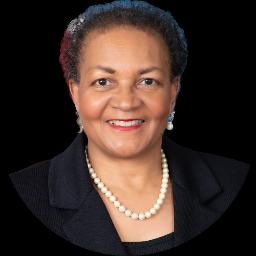
About Freda
Dr. Shipman emphasizes a warm, collaborative style. She listens first, then helps set small, realistic goals. Sessions often focus on clearer communication, managing strong emotions, and steps toward everyday functioning.
Her background includes work with aging and geriatric issues, caregivers, and people facing chronic or terminal illness. She also addresses family of origin concerns, divorce and separation, and challenges linked to autism and intellectual disability. That experience shapes how she frames problem-solving and planning.
Therapeutic methods she uses include client-centered techniques, cognitive behavioral strategies, motivational interviewing, solution-focused work, and Internal Family Systems ideas. Those approaches are used to build practical skills, shift unhelpful thoughts, and support inner parts work when needed.
Dr. Shipman aims to make therapy a down-to-earth process. She helps people identify strengths, practice new ways of relating, and plan next steps for life or caregiving roles. To begin, she asks clients to share current concerns and goals so sessions match what matters most to them.
How therapy approaches shape online work
Client-Centered Therapy focuses on listening and understanding the person’s experience. It helps people feel heard and build goals that matter to them. Cognitive Behavioral Therapy (CBT) looks at patterns of thinking and behavior to find practical ways to reduce anxiety and stress and improve mood.Finding the right approach is part of the process. The therapist will collaborate with clients to choose methods that fit their needs, goals, and preferences. That may mean combining listening-based work with CBT strategies or short solution-focused steps to meet a particular challenge.
Confirm session options before booking since specific formats are not listed in the biography. Online therapy can make it easier to fit sessions into a busy life, allow shorter check-ins when needed, and reduce travel time. It can also let someone use video or phone choices depending on what works best for them and their daily schedule. Licensed professionals often adapt tools and exercises so people can practice skills between meetings and see steady progress.
Frequently asked questions
What issues does this therapist commonly address?
Concerns include grief, self-esteem, career shifts, coping with life changes, stress, anxiety, relationships, family problems, trauma and abuse, parenting, and anger.
How would you describe the therapy style?
Therapy is warm and collaborative. The therapist listens first, then works with clients to set practical goals and steps to reach them.
What kind of experience does the therapist have?
The therapist has 25 years of experience in clinical settings working with a wide range of life, caregiving, and health-related concerns.
What credentials and location are listed?
The therapist holds LCSW credentials with NC LCSW and VA LCSW and practices in Virginia.
In which languages are sessions offered?
Sessions are offered in English.
What session formats are available?
Session formats are not specified in the biography; confirm current session options before booking.
How are fees handled for sessions?
Cost varies with location and therapist availability; sessions use a subscription that can be canceled at any time.
How do I begin working with this therapist?
Select the continue button on this profile, complete the short matching questionnaire, and schedule according to therapist availability.