- Relationship support
- Trauma care
- Mindfulness tools
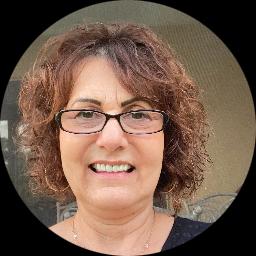
About Elizabeth
She works in a way that treats the client as the expert on their own life. That means sessions begin by hearing the story and naming strengths. From there she helps set small, achievable steps toward clearer communication, better sleep patterns, or managing strong emotions.
Her background spans many areas commonly linked to relationship strain, including codependency, commitment and communication problems, blended family issues, and attachment concerns. She also has experience supporting people facing grief, addictions, body image distress, chronic illness, and dissociation.
Therapeutic tools she commonly draws on include client-centered approaches, Cognitive Behavioral Therapy, Dialectical Behavior Therapy, Emotionally-Focused Therapy, and mindfulness practices. These methods are used to build coping skills, shift unhelpful patterns, and deepen understanding of emotional responses.
Taking a first step can feel hard. Elizabeth offers steady listening and practical guidance to help people set realistic goals, work through setbacks, and strengthen relationships and personal well-being.
How therapy approaches translate to online care
Client-Centered Therapy focuses on listening, empathy, and helping the client lead the conversation. It helps when someone needs a space to tell their story, clarify values, and build confidence in their choices. Cognitive Behavioral Therapy (CBT) looks at the links between thoughts, feelings, and actions and teaches practical skills to change unhelpful patterns; it is often used for anxiety, depression, sleep problems, and stress management. Dialectical Behavior Therapy (DBT) combines skills training in emotion regulation, distress tolerance, and interpersonal effectiveness, which can help with intense emotions and relationship conflicts.Finding the right approach is a collaborative process. The therapist will talk with the client about goals, what has and hasn't helped before, and which methods feel like the best fit. Together they adapt techniques over time so the plan stays practical and relevant to daily life.
Please confirm current session options before booking, as formats were not specified in the biography. Online sessions can make it easier to fit therapy into a busy schedule, reduce travel time, and allow shorter check-ins when needed. Many people find that working remotely lets them practice new skills in real life between meetings and keeps progress moving forward.
Frequently asked questions
What kinds of concerns does she address?
She helps people with relationship issues, trauma and abuse, intimacy-related problems, sleeping difficulties, depression, stress, anxiety, addictions, grief, eating concerns, and LGBT-related matters.
What is her therapeutic style like?
Her approach centers on listening and treating the client as the expert on their life, then using practical strategies and skills from several therapies to address patterns and symptoms.
How much experience does she bring?
She has 38 years of professional experience working with a wide range of relationship and emotional concerns in Florida.
Where is she licensed and based?
She is a licensed mental health counselor (LMHC) licensed in Florida and practices there.
Can I work with her in a language other than English?
Sessions are offered in English.
Does she accept clients outside the U.S.?
She does not accept international clients at this time.
How are sessions priced?
Cost varies with location and therapist availability; sessions use a subscription that can be canceled at any time.
How do I begin working with her?
Select the continue button on this profile, complete a short matching questionnaire, and schedule according to the therapist's availability.