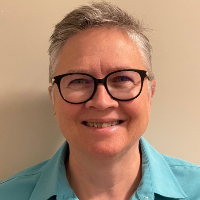
- Client-centered
- Solution focused
- Mindfulness informed
About Delores
She uses a client-centered style that keeps the person's needs at the center of each session. That means conversations are driven by what matters most to the client, and the pace is set together. She also draws on solution-focused strategies to identify small, achievable changes that build momentum.
Mindfulness techniques are used to help people manage intense emotions, sleeping problems, and coping with trauma or compassion fatigue. Dialectical Behavior Therapy, or DBT, informs her work when clients need skills for distress tolerance and emotion regulation. She adapts these methods to each person's situation rather than following a fixed script.
Dr. Liston has ten years of experience in clinical social work and works with a wide range of concerns including bipolar disorder, depression, self-esteem, intimacy-related issues, and multicultural matters. She emphasizes listening attentively, treating people with sensitivity, and working collaboratively to set goals.
People who choose her can expect a practical, strengths-based dialogue and a treatment plan shaped by their goals and values. To begin, clients complete a short matching questionnaire and then schedule sessions based on the therapist's availability.
How her approaches guide online therapy choices
Client-Centered Therapy focuses on listening closely and following the client's lead. In practice this means sessions are shaped by what the person brings and by their goals, rather than a fixed plan. It helps when someone needs empathetic space to talk through tough topics.Dialectical Behavior Therapy, or DBT, provides concrete skills for managing intense emotions and improving distress tolerance. This approach is useful for people who struggle with strong mood swings, impulsive behaviors, or trouble regulating feelings.
Finding the right approach is part of the work together. The therapist will talk with each person about needs, goals, and preferences, then suggest which methods might fit best. Decisions about pace and techniques are made collaboratively and can shift as progress is made.
If you are considering online sessions, confirm the specific session options before booking since the biography notes a preference for video but does not list all formats. Online work can make it easier to fit therapy into a busy life, shorten commute time, and allow check-ins that match a person's schedule. Some formats may be simpler when bandwidth or time is limited, while others support longer conversations and visual connection. Discuss practical scheduling and format details when you set up the first appointment so sessions fit your daily routine.
Frequently asked questions
What concerns does this therapist commonly address?
She works with stress, anxiety, addiction, grief, relationship and family issues, trauma and abuse, sleeping problems, self-esteem, bipolar disorder, depression, and compassion fatigue. Multicultural concerns and LGBT-related matters are also part of her focus.
What is her therapeutic style like?
Her style is interactive and client-centered, with a solution-focused orientation. She aims to listen attentively and tailor conversations and plans to each person's needs.
How much clinical experience does she have?
She has ten years of experience as a clinical social worker providing psychotherapy for a range of concerns.
What credentials and location are on file?
She holds LCSW and CSW credentials and practices in Georgia.
In what language are sessions offered and are international clients supported?
Sessions are offered in English. She does not accept international clients at this time.
Which session formats can I expect?
The original biography indicates a preference for video sessions but does not list all supported formats. Confirm current session options before booking.
How does billing and cost work?
Costs vary with location and therapist availability; sessions use a subscription that can be canceled at any time.
How do I begin if I want to work with her?
Click the continue button on this profile, complete a short matching questionnaire, and then schedule sessions according to therapist availability.