- Focus on actionable steps
- Trauma-aware care
- Substance use support
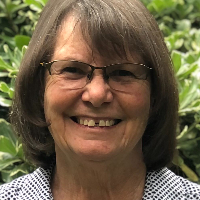
About Deborah
Deborah uses Cognitive Behavioral Therapy and trauma-informed methods to address immediate problems and the patterns that keep them going. She also draws on Motivational Interviewing when people are weighing change around substance use or other risky choices. Sessions are aimed at clear goals and small, doable changes rather than abstract theory.
Her background includes helping people who faced significant loss after natural disasters and personal crises. Deborah listens with patience and acceptance and begins treatment from the client’s current situation. She emphasizes safety, pacing, and respect for each person’s readiness to change.
Therapy with Deborah often focuses on practical tools for mood, sleep, and anger management as well as coping with grief and life transitions. She also works with people dealing with intimacy, parenting stress, career concerns, and questions about life purpose. Her long experience informs a steady, calm approach to difficult problems.
People can expect straightforward discussion about goals and progress. Deborah encourages small steps and measures change in concrete ways. She invites potential clients to consider therapy as a tool for getting through hard times and making lasting improvements.
How Deborah’s Approaches Translate to Online Work
Deborah commonly uses Cognitive Behavioral Therapy (CBT), which focuses on identifying the thoughts and behaviors that keep problems going and replacing them with more helpful choices. CBT is often used for anxiety, depression, sleep issues, and managing mood or anger.She also applies Trauma-Focused Therapy to help people process painful events and reduce trauma-related symptoms. This approach breaks issues into manageable steps and emphasizes pacing and safety. Motivational Interviewing is used when people are weighing change, especially around drug or alcohol use, to clarify values and increase readiness for action.
Finding the right approach is part of the work together. Deborah will talk with each person about their goals, needs, and preferences and adapt techniques to fit those priorities in a collaborative way.
The practical benefits of online therapy can include easier scheduling, fitting sessions around work or caregiving, and fewer travel demands. Because the biography does not list specific formats, confirm the available session options before booking to learn what modalities are offered. Online sessions can make it simpler to maintain continuity of care while balancing everyday responsibilities.
Frequently asked questions
What kinds of concerns can be addressed in sessions?
She works with stress, anxiety, depression, grief, relationship and intimacy issues, and addiction-related problems including drug and alcohol concerns.
How would you describe the therapeutic style?
Sessions emphasize practical strategies and collaborative goal-setting, using Cognitive Behavioral Therapy and trauma-focused techniques to change unhelpful patterns.
What experience does the therapist bring?
Deborah has 40 years of experience providing counseling after personal crises and natural disasters and supporting long-term recovery efforts.
What credentials and location are listed?
She is a Licensed Mental Health Counselor (LMHC) practicing in Florida.
Are sessions offered in other languages or internationally?
Sessions are offered in English and international clients are not currently accepted.
What session formats are available?
Please confirm current session options before booking, as the therapist's profile does not specify formats in the biography.
How does payment or cost work?
Cost varies with location and therapist availability; sessions use a subscription that can be canceled at any time.
How do I begin working with this therapist?
Select the continue button on this profile, complete a short matching questionnaire, and schedule according to therapist availability.