- Strengths based
- Client led goals
- Warm supportive style
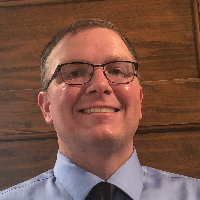
About David
He earned a Master of Social Work from The University of Alabama with a focus on adults and families. He has six years of clinical experience working in outpatient clinics, inpatient VA hospital settings, community mental health, and a college outreach counseling program. That mix has broadened his experience with young adults, veterans, and community populations.
In sessions he aims to build a comfortable, respectful relationship first. He emphasizes unconditional positive regard and helps people notice strengths they can use to tackle problems. He prefers clear, client-set goals so progress is visible and purposeful.
He describes his style as warm and open, prioritizing a welcoming atmosphere that encourages honest conversation. He collaborates with clients on treatment direction and gives them control over their goals and pace.
For scheduling he checks messages multiple times a day and offers appointments generally between 8am and 6pm on weekdays, with flexibility for later times or weekends when needed. To begin, people complete a short matching questionnaire and schedule according to his availability.
How evidence-based techniques fit into online care
David uses evidence-based therapeutic techniques to guide sessions and help people manage symptoms and life challenges. One common approach focuses on building practical coping skills and measurable goals that reduce anxiety and depression by changing daily habits and thinking patterns. Another approach emphasizes trauma-informed care, helping people process past hurts at a pace that feels safe while learning strategies to reduce reactivity and improve daily functioning.Finding the right approach is part of the work. The therapist will collaborate with the client to choose methods that match their needs, goals, and personal preferences. This is a team effort where adjustments are made over time if something isn't working.
If you are considering online therapy, confirm the available session formats before booking since the biography does not list specific formats. Many people find online options helpful because sessions can fit around work or family commitments, allow for check-ins without travel, and make it easier to see a clinician when schedules are tight. Ask about scheduling flexibility and whether later or weekend appointments are possible to match everyday life.
Frequently asked questions
What concerns does he commonly address?
He works with stress, anxiety, depression, trauma and abuse, anger, addictions, relationship and family concerns, grief, intimacy issues, sleep difficulties, parenting strain, self-esteem, career questions, and bipolar disorder.
How would you describe his therapeutic approach?
He focuses on building comfort and respect first, using a strengths-based, client-centered approach. Sessions emphasize clear goals set by the client and practical steps to meet them.
What kind of clinical background does he have?
He has six years of experience across outpatient clinics, inpatient VA hospital settings, community mental health, and a college outreach counseling program.
What credentials and region are listed for this clinician?
He holds the LISW-CP credential and practices in South Carolina.
Which languages are sessions offered in?
Sessions are offered in English.
Can international clients work with him?
International clients are not currently accepted.
How are sessions scheduled and what do they cost?
Cost varies with location and therapist availability and uses a subscription that can be canceled at any time. Scheduling follows the platform process after the matching questionnaire.
What are the first steps to begin therapy?
Select the continue button on this profile, complete a short matching questionnaire, and then schedule sessions according to the therapist's availability.