- Humanistic approach
- Practical strategies
- Relationship focus
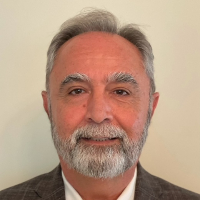
About Darius
He meets people where they are and builds on their strengths. He uses a humanistic, client-centered stance that emphasizes respect and acceptance. Sessions often focus on practical steps to reduce suffering and improve day-to-day life and relationships.
Over his career he has worked with a wide variety of concerns, including addictions, grief, intimacy-related issues, sleep problems, parenting strain, and career transitions. He also addresses issues such as control, forgiveness, gender dysphoria, immigration stress, and multicultural concerns. His experience includes working with people who have lived through physical, sexual, or emotional trauma.
In session he draws on several common therapeutic methods such as acceptance and commitment therapy, cognitive behavioral techniques, dialectical behavior tools, existential conversation, and mindfulness practices. He adapts these tools to each person’s needs rather than following a single formula.
People who want clear, compassionate guidance and practical strategies may find his approach a good fit. He encourages those ready to take steps toward change and offers supportive, goal-oriented collaboration to help them move forward.
Therapeutic approaches for online relationship work
Acceptance and Commitment Therapy, or ACT, focuses on helping people notice their thoughts and values, then take action that matches what matters to them. It can help with anxiety, relationship choices, and coping with change. Cognitive Behavioral Therapy, or CBT, looks at how thoughts and behaviors keep problems going and teaches practical skills to change them; it is often useful for mood, anxiety, sleep, and anger. Client-Centered Therapy emphasizes an accepting, nonjudgmental relationship where the person leads the work and the therapist offers empathy and support.Finding the right approach is part of the work together. The therapist will listen to goals, try methods, and adjust based on how helpful they feel. That collaborative process helps people figure out what fits their needs and preferences.
The biography does not list specific session formats, so confirm the available online options before booking. Online sessions can make it easier to fit therapy into a busy week, shorten travel time, or allow a quieter check-in when daytime breaks are limited. They also allow continued work through life changes or relocation, and make it possible for English and Persian speakers, including international clients, to connect with a licensed professional in Georgia.
Frequently asked questions
What kinds of problems does he help with?
He works with stress, anxiety, relationship difficulties, depression, trauma and abuse, addictions, grief, intimacy issues, sleep problems, parenting concerns, anger, self-esteem, career challenges, bipolar concerns, and coping with life changes.
How would you describe his therapy style?
He uses a humanistic, client-centered style that emphasizes unconditional respect. He pairs that stance with practical techniques from several approaches for hands-on problem solving.
How much experience does he have?
He has 26 years of clinical experience working with a broad range of concerns and with people who have experienced various traumas.
What credentials and location are listed?
He is a Licensed Professional Counselor (LPC) licensed in Georgia.
Which languages are offered and can international clients connect?
Sessions are offered in English and Persian. International clients are accepted.
What session formats are available?
The original biography does not specify session formats. Please confirm current session options before booking.
How does pricing work?
Cost varies with location and therapist availability and sessions use a subscription that can be canceled at any time.
How do I begin working with him?
Start by selecting the continue button on this profile, completing a short matching questionnaire, and then scheduling according to therapist availability.