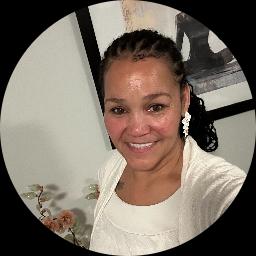
- Trauma informed care
- Relationship focus
- Coaching oriented
About Che'
Ward explains that traumatic events can change how a person sees safety, fairness, and themselves. Sometimes those effects are not obvious at first. She works with people to identify how past experiences are shaping current patterns and goals. The aim is to restore functioning and a clearer sense of self rather than to label how someone should feel.
Her approach centers on collaboration. Clients describe what matters to them and what they want to change, and she helps map out practical steps toward those goals. She emphasizes regular checking in so treatment stays useful and relevant to each person's life.
With 17 years of experience, she brings long-term practice helping people with stress, anxiety, relationship concerns, trauma and abuse, coaching needs, and ADHD. Additional areas she addresses include attachment and abandonment issues, caregiver stress, body image, communication problems, and complex situations such as blended family stress or coping after disasters.
Located in North Carolina, Che' Raquel Ward aims to welcome the full range of a person's experience into treatment and to work toward measurable progress the client can see. She encourages people ready to begin to take the first step and explore what healing might look like for them.
Approaches that guide online care and healing
Che' Raquel Ward uses evidence-based therapeutic techniques that focus on practical change and healing from past harm. One common approach she uses helps people spot how past experiences shape present behavior and relationships, then practices new responses to reduce distress and improve connection. Another approach emphasizes skill-building for day-to-day problems, such as managing anxiety, improving communication, and organizing routines when attention or stress interfere with functioning.Choosing the right approach is part of the work. She will collaborate with each person to match methods to their goals, needs, and preferences. That means trying techniques, checking what helps, and adjusting the plan when something is not working so therapy stays practical and goal directed.
Many people find online therapy useful because it can fit more easily into busy lives. It can make scheduling simpler, reduce travel time, and allow shorter check-ins between in-person visits. Confirm the current session options and formats before booking so you know how sessions will be conducted. The focus is on finding approaches that fit your life and help you meet your goals.
Frequently asked questions
What concerns does this therapist help with?
She helps people address stress, anxiety, relationship issues, trauma and abuse, ADHD, and coaching needs. Additional focuses include attachment and abandonment concerns, caregiver stress, body image, communication problems, and coping after disasters.
What is the style of therapy like?
Therapy is collaborative and practical. The therapist asks clients to define goals and gives tools and steps to try, with regular feedback to keep work aligned with the client's needs.
How much clinical experience does she have?
She has 17 years of professional experience working with people on trauma, relationship concerns, stress, and related areas.
What are her credentials and where is she based?
She is listed as NC Psychologist 6046 and practices in North Carolina.
Which languages are supported in sessions?
Sessions are offered in English.
Can people from other countries work with her?
She does not accept international clients at this time.
How are sessions paid for and billed?
Costs vary by location and therapist availability; sessions use a subscription that can be canceled at any time.
How do I begin working with this therapist?
Click the continue button on this profile, complete the short matching questionnaire, and then schedule according to the therapist's availability.