- Relationship-focused
- Relational approach
- Practical skills
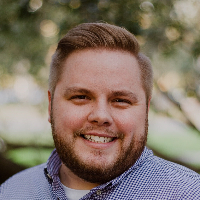
About Andrew
He uses a relational, integrative method that centers the therapeutic relationship. That means he pays attention to how people connect and communicate, and he tailors tools to each person's situation. He often blends approaches like Acceptance and Commitment Therapy, Cognitive Behavioral Therapy, and Attachment-Based ideas to make treatment practical.
Sessions typically involve talking through current problems, identifying patterns that get in the way, and practicing small, usable skills between meetings. He helps people build emotional resilience, manage symptoms, and address relationship stressors or issues related to identity. Work can include setting goals, learning coping skills, and trying new ways of relating to others.
Andrew has five years of clinical experience and a Master of Science in Counseling Psychology from Palm Beach Atlantic University. He emphasizes respect, steady support, and honest feedback while helping clients navigate grief, addiction, trauma, anger, career strain, and compassion fatigue.
He invites potential clients to share their concerns and goals so they can choose the right steps together. Before booking, confirm current session options and scheduling details through the Start Therapy process.
How Andrew’s Approaches Work in Online Sessions
Acceptance and Commitment Therapy (ACT) helps clients notice unhelpful thoughts without getting stuck in them, then choose actions that match their values; it can be useful for anxiety, depression, and major life changes. Cognitive Behavioral Therapy (CBT) focuses on spotting thinking patterns and changing behaviors that maintain distress, which often helps with anxiety, stress, and mood concerns. Attachment-Based Therapy looks at how past and present relationships shape current reactions and communication, supporting people who want to improve how they relate to others.Finding the right approach is part of the work. The therapist will collaborate with each person to pick methods that fit their goals, needs, and preferences. That process may include trying a few tools and adjusting the plan as progress is made.
Confirm the available session options before booking. Online therapy can make it easier to fit appointments into a busy week, allow shorter check-ins when needed, and remove travel time so more regular work is possible. It can also let someone start with talking-based methods and then add skills practice between sessions. Ask about scheduling and format choices when you complete the matching questionnaire before your first appointment.
Frequently asked questions
What issues does Andrew focus on?
He works with stress, anxiety, depression, grief, relationship concerns, addiction, trauma and abuse, self-esteem, anger, career strain, compassion fatigue, and LGBT related concerns.
How does he approach therapy?
He uses a relational, integrative style that combines methods like ACT, CBT, DBT, attachment-based work, and client-centered techniques to match each person’s needs.
What is his clinical background?
He holds a Master of Science in Counseling Psychology from Palm Beach Atlantic University and has five years of experience in clinical work.
Where is he licensed and located?
He is a Florida Licensed Mental Health Counselor (LMHC) and practices in Florida.
Which languages are sessions offered in?
Sessions are offered in English.
Can international clients work with him?
International clients are not currently accepted.
How are fees and subscription handled?
Cost varies with location and therapist availability, and sessions use a subscription that can be canceled at any time.
How do I begin therapy with him?
Click the continue button on this profile, complete a short matching questionnaire, and schedule sessions according to the therapist’s availability.