- Relationship support
- Anxiety and stress
- Grief and trauma
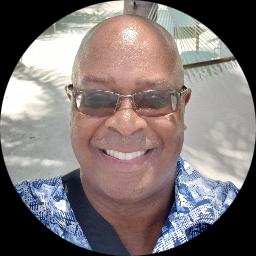
About Anthony
In sessions he aims to create an open, nonjudgmental space where people can name what hurts and begin to make small changes. Conversation is the main tool - talking through specific moments, patterns, and choices. He focuses on practical steps clients can try between meetings so therapy feels useful week to week.
Anthony emphasizes collaboration. He invites clients to set goals and to check progress as therapy unfolds. That makes sessions feel focused and respectful of each person’s pace and priorities.
Over his career he has worked with people coping with loss, end-of-life concerns, and the aftermath of prejudice or violence. He keeps an eye on how life roles like fatherhood or caregiving add stress, and he helps people untangle those demands from their core priorities.
Anthony uses evidence-based therapeutic techniques and adapts them to each person’s situation. He encourages small experiments in how people communicate and manage strong emotions. His approach aims to help people feel steadier and clearer about next steps.
To begin, clients complete a short matching questionnaire and schedule a first session. Anthony recognizes that starting therapy takes courage and supports each person through that first step.
Approaches to healing and working online
Anthony uses evidence-based therapeutic techniques that focus on practical change. One approach helps people track and change unhelpful patterns in thoughts and behaviors by using simple experiments and new ways of responding to stress. This can help with anxiety, anger, and day-to-day coping.Another approach centers on processing difficult events and reactions linked to trauma and loss. It helps people tell their story at a manageable pace, reduce the intensity of painful memories, and find clearer next steps after grief or abuse.
Choosing the right approach is a collaborative process. Anthony works with each person to identify goals and to try methods that fit their life and comfort level. He checks in regularly and adjusts the plan as progress and priorities change.
If you are considering online therapy, confirm the current session options before booking so you know what formats are offered. Many people find online sessions easier to fit into a busy week, allow shorter check-ins when needed, and reduce time spent traveling to appointments. A conversation about scheduling and session length can help match therapy to your routine.
Frequently asked questions
What concerns does Anthony commonly address?
He works with stress, anxiety, relationship difficulties, trauma and abuse, grief, and anger. He also focuses on caregiver stress, communication problems, divorce and separation, and related issues.
What is his general approach in sessions?
He creates an open, nonjudgmental space and emphasizes conversation about real situations. Sessions focus on practical steps clients can try between meetings.
How much clinical experience does he have?
He brings 27 years of professional work experience to his practice.
What credential does he hold and where is he based?
He is an LCMHC, which stands for Licensed Clinical Mental Health Counselor, and he is licensed in North Carolina.
Which languages are used in sessions?
Sessions are offered in English.
Can people outside the United States work with him?
He is not currently accepting international clients.
How does cost and payment work?
Cost varies with location and therapist availability; sessions use a subscription that can be canceled at any time.
How do I get started with therapy?
Select the continue button on this profile, complete a short matching questionnaire, and schedule according to the therapist's availability.