- Practical coping skills
- Support with relationships
- Focus on real change
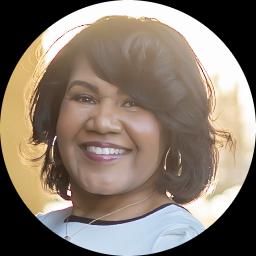
About Anitra
Brooks creates a welcoming space for people to share their thoughts and emotions without judgment. She emphasizes gentle honesty and collaboration, so clients and therapist work together to set realistic goals. That teamwork can include learning tools to handle strong feelings, building better communication habits, and trying small changes that add up.
With eight years of clinical experience in Georgia, she has helped people coping with life changes and those navigating concerns related to veteran and armed forces issues. Her approach focuses on what is useful in the moment and on skills that transfer to everyday situations.
She encourages people to take the first step even when it feels hard. Sessions are aimed at increasing resilience and finding practical ways to reduce symptom burden and improve functioning. Brooks aims to empower clients to make choices that fit their values and life context.
For anyone considering therapy, she recommends a short conversation to see if the fit feels right. Booking begins with the site’s matching process and then scheduling according to availability.
How evidence-based approaches guide online work
Two common evidence-based techniques she uses are skills-based coping work and problem-focused strategies. Skills-based coping work teaches specific tools for managing anxiety, anger, and low mood, such as breathing or grounding practices and step-by-step plans for handling intense emotions. Problem-focused strategies help break down relationship or life stressors into smaller steps so people can try manageable changes and track results.An additional approach emphasizes collaborative planning and goal setting. This method involves the therapist and client deciding together what to work on, setting clear short-term goals, and checking progress each session to adjust the plan as needed. It’s suited to people who want a practical, results-oriented path.
Finding the right approach is part of the process. The therapist will work collaboratively with each person to figure out which techniques fit their needs, goals, and preferences. That collaboration helps shape what is tried first and how work evolves over time.
Session formats are not specified in the therapist’s biography, so confirm current options before booking. Online therapy can make it easier to fit sessions into everyday life by removing travel time and allowing flexibility in scheduling. It also lets people use different ways of meeting that can match energy levels and daily routines, such as shorter check-ins or longer focused sessions, depending on what the therapist and client agree will work best.
Frequently asked questions
What concerns does she commonly help with?
She works with stress, anxiety, relationship issues, anger, depression, and coping with life changes. She also has an additional focus on veteran and armed forces issues.
What is her therapeutic style like?
Her style is collaborative and straightforward, focusing on practical tools and clear goals. Sessions emphasize skill-building and small changes that can help day-to-day functioning.
How much experience does she have?
She has eight years of professional work experience as a licensed counselor in Georgia.
What are her credentials and where is she based?
She holds the LPC credential, which stands for Licensed Professional Counselor, and practices in Georgia.
Which languages are supported for sessions?
Sessions are offered in English.
Can international clients work with her?
She does not accept international clients at this time.
How are session costs handled?
Cost varies by location and therapist availability; sessions use a subscription that can be canceled at any time.
How do I begin working with her?
Start by clicking the continue button on this profile, completing a short matching questionnaire, and then schedule sessions according to the therapist’s availability.